Title: Monovision
Year: 2026
Type: Three-part Video Art, Performance Documentation & Mixed Media
Duration: 04:02 min
Materials & Tools: Black pigment paint, charcoal and coffee-stained A4 paper, brush, physical deconstruction/collage, digital video recording & editing
Conceptual Framework & Process Narrative
The transition from a mere gaze to conscious seeing sparked humanity's urge to record and transmit what was seen
Over time, as modes of transmission evolved, the bond between the image and reality began to wear thin; the runaway advance of today’s technology violently severed that bond at a terrifying pace. Drawings, photographs, or eyewitness accounts once considered definitive proof have today turned into question marks examined behind the blurred veil of a fabricated reality. Monovision addresses the link between seeing and transmission, and ultimately the distortion of our reality, through a three-part video performance. In order to reflect the essence of the idea in its most direct form, the choice of materials was consciously kept minimal:
Over time, as modes of transmission evolved, the bond between the image and reality began to wear thin; the runaway advance of today’s technology violently severed that bond at a terrifying pace. Drawings, photographs, or eyewitness accounts once considered definitive proof have today turned into question marks examined behind the blurred veil of a fabricated reality. Monovision addresses the link between seeing and transmission, and ultimately the distortion of our reality, through a three-part video performance. In order to reflect the essence of the idea in its most direct form, the choice of materials was consciously kept minimal:
Part 1 (Primal Touch and Essence):
Drawing inspiration from papyrus—the earliest paper—the surface was prepared by coating standard A4 paper with a mixture of wet coffee grounds and charcoal dust, then cured over an open flame. Applying black pigment directly with bare fingers, without letting any tool come between, reflected a primal way of seeing that conveys through bodily contact and raw instincts.
Part 2 (Rationalization and Craft):
As human consciousness moved away from primal instincts and grew rationalized, the brush stepped in. This phase conveys the birth of craft, perspective, and metaphor—a disciplined era in which society learned how to see and how to construct reality.
Part 3 (Fragmentation and Virtualization):
In the final phase, the physical surface is sliced, torn apart, rearranged, and drawn over. Throughout this journey, the paper moves from the wall to a physical page, and ultimately sheds its materiality entirely to become computer data. This transformation symbolizes the shattering of trust in reality and the virtualization of knowledge.
The reason I named the project Monovision is to highlight how our multifaceted ways of seeing have today collapsed into a singular, narrowed, and manipulated gaze through screens and algorithms. In an era where the world has never been louder, where voices clash from every direction yet most people unknowingly remain mere echoes of someone else and repeat rehearsed lines, Monovision questions the corruption inflicted upon our reality and our thoughts.
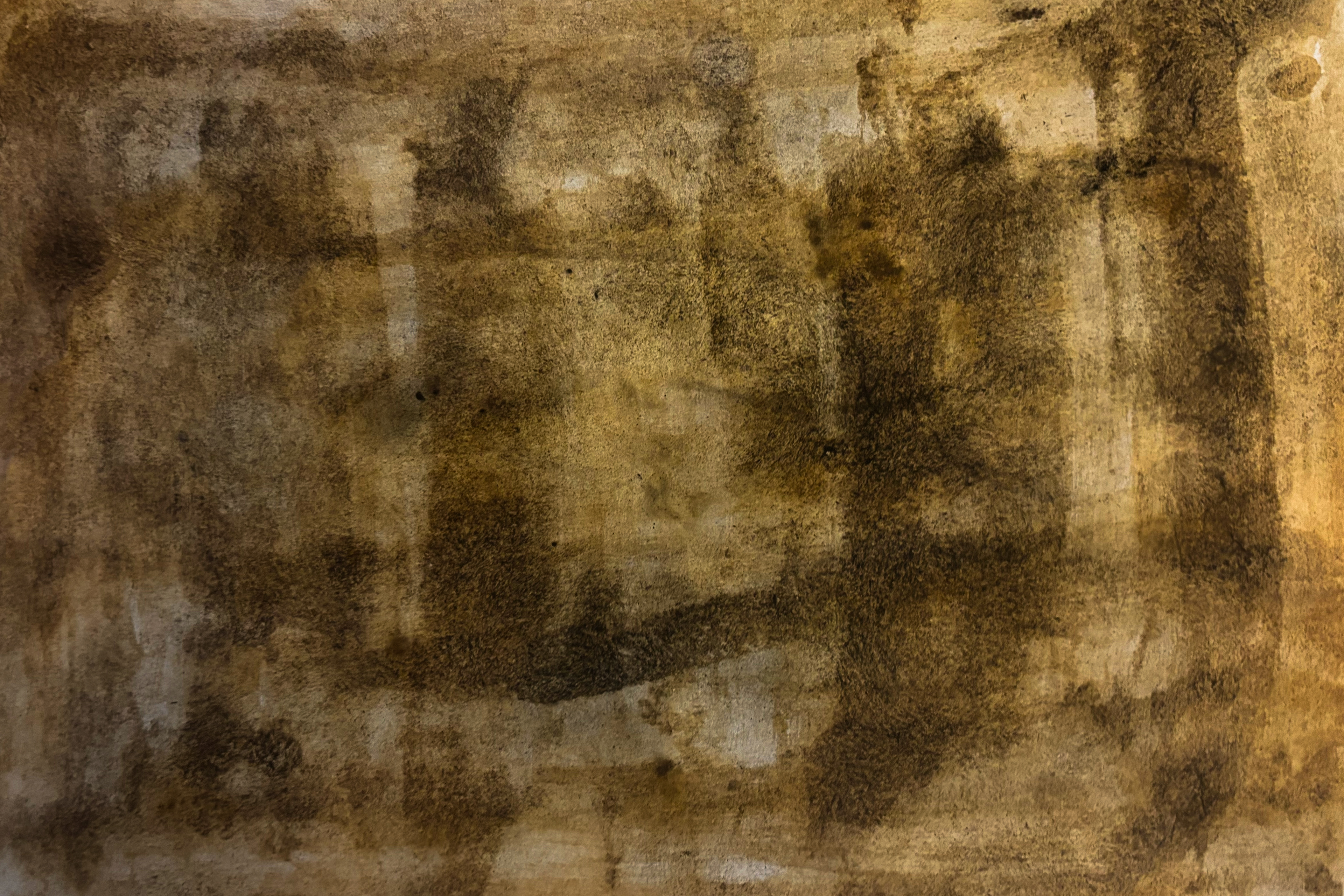
Paper treated with coffee, charcoal, and open flame
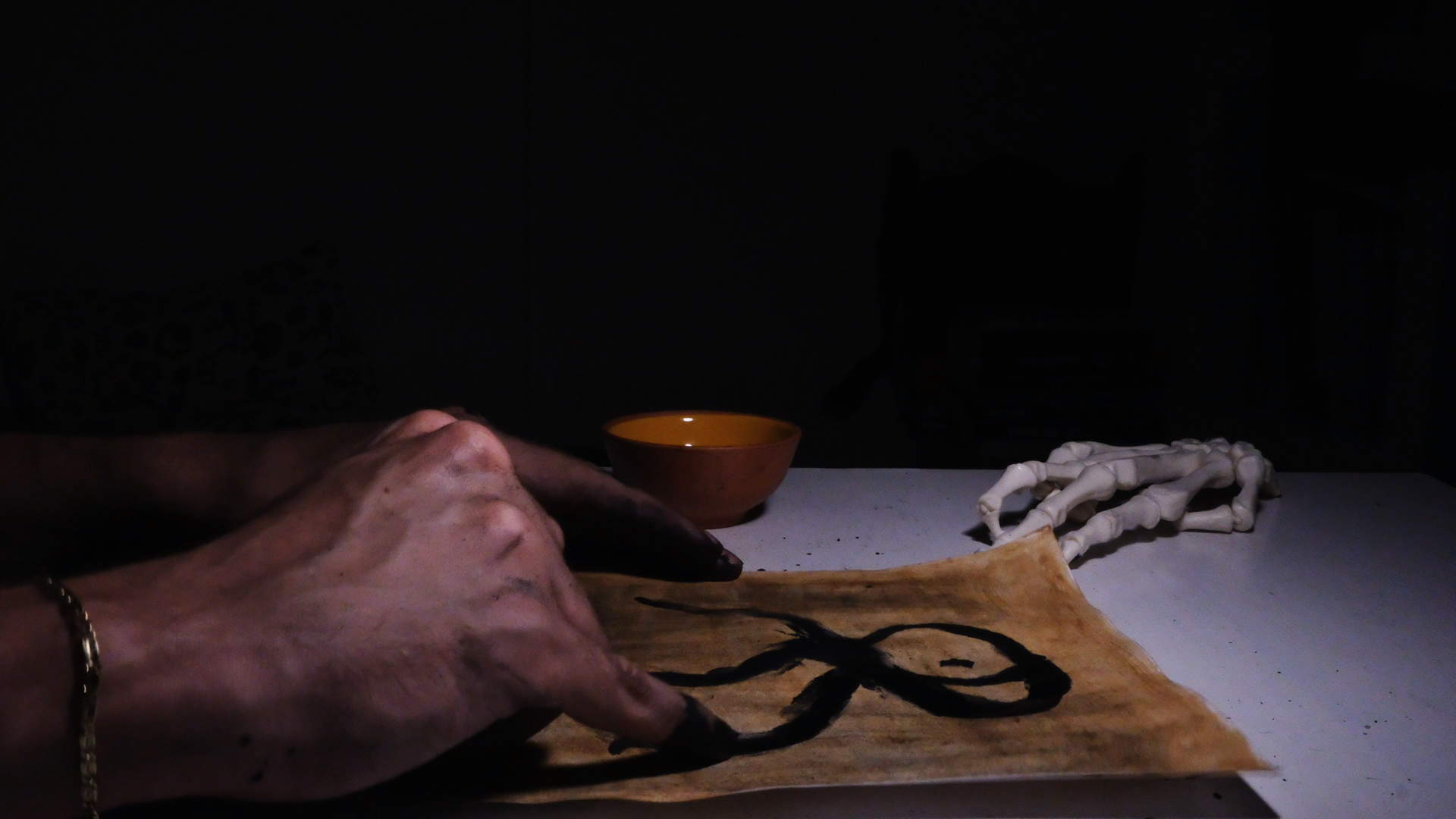
Phase 1: Primal mark-making using bare fingers and raw pigment
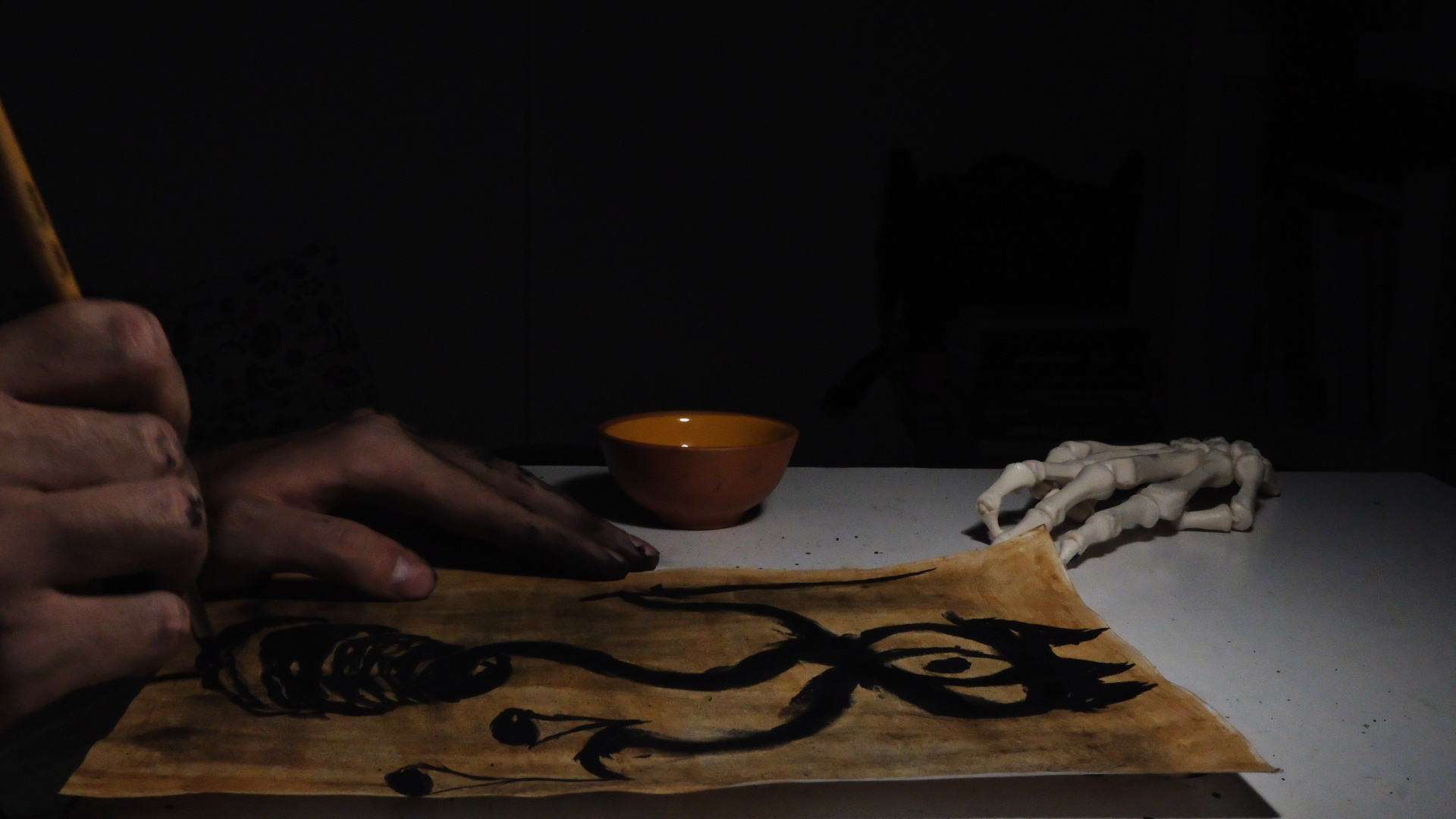
Phase 2: Developing perspective and formal composition
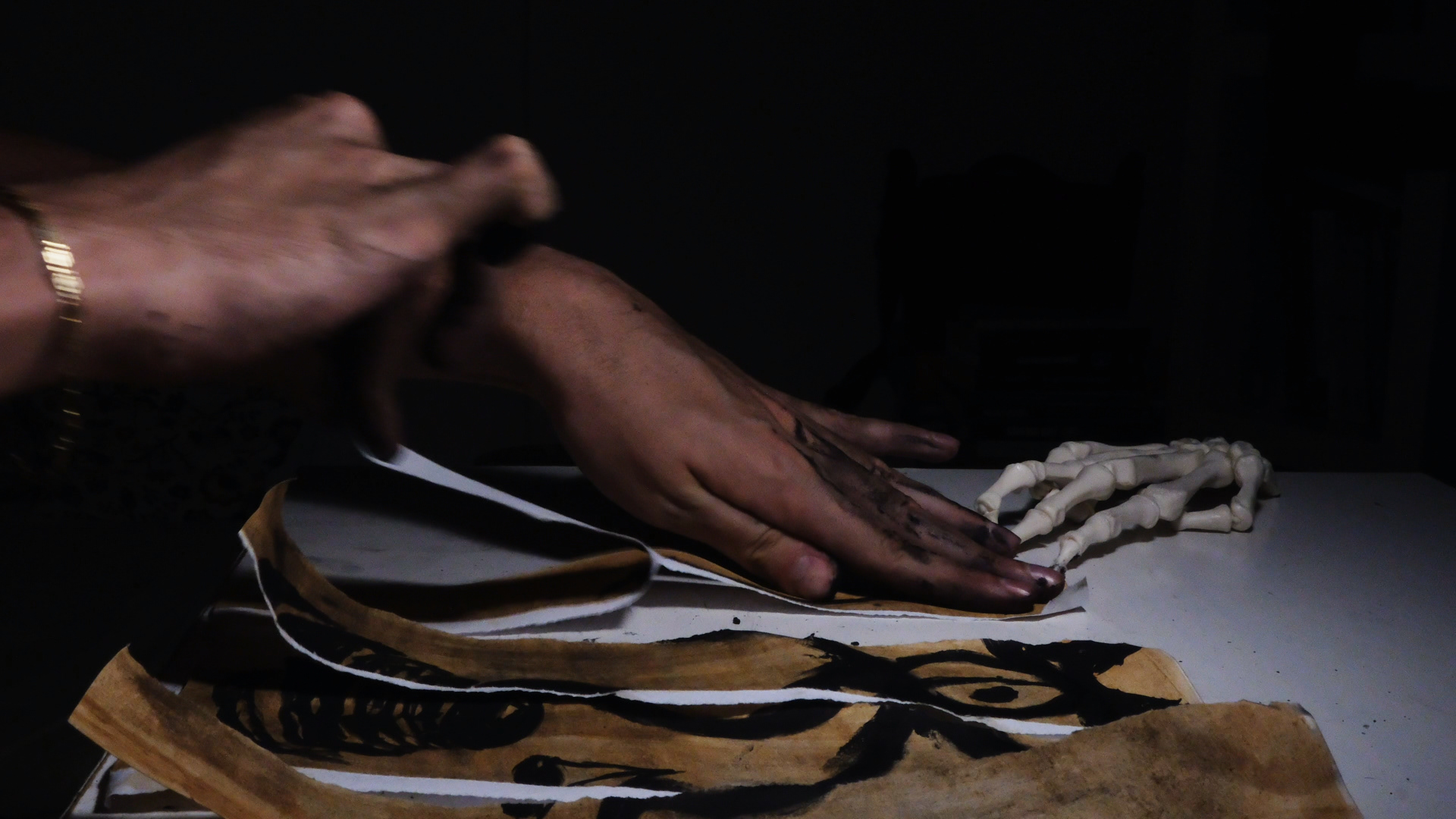
Phase 3: Physical deconstruction, and tactile surface collage
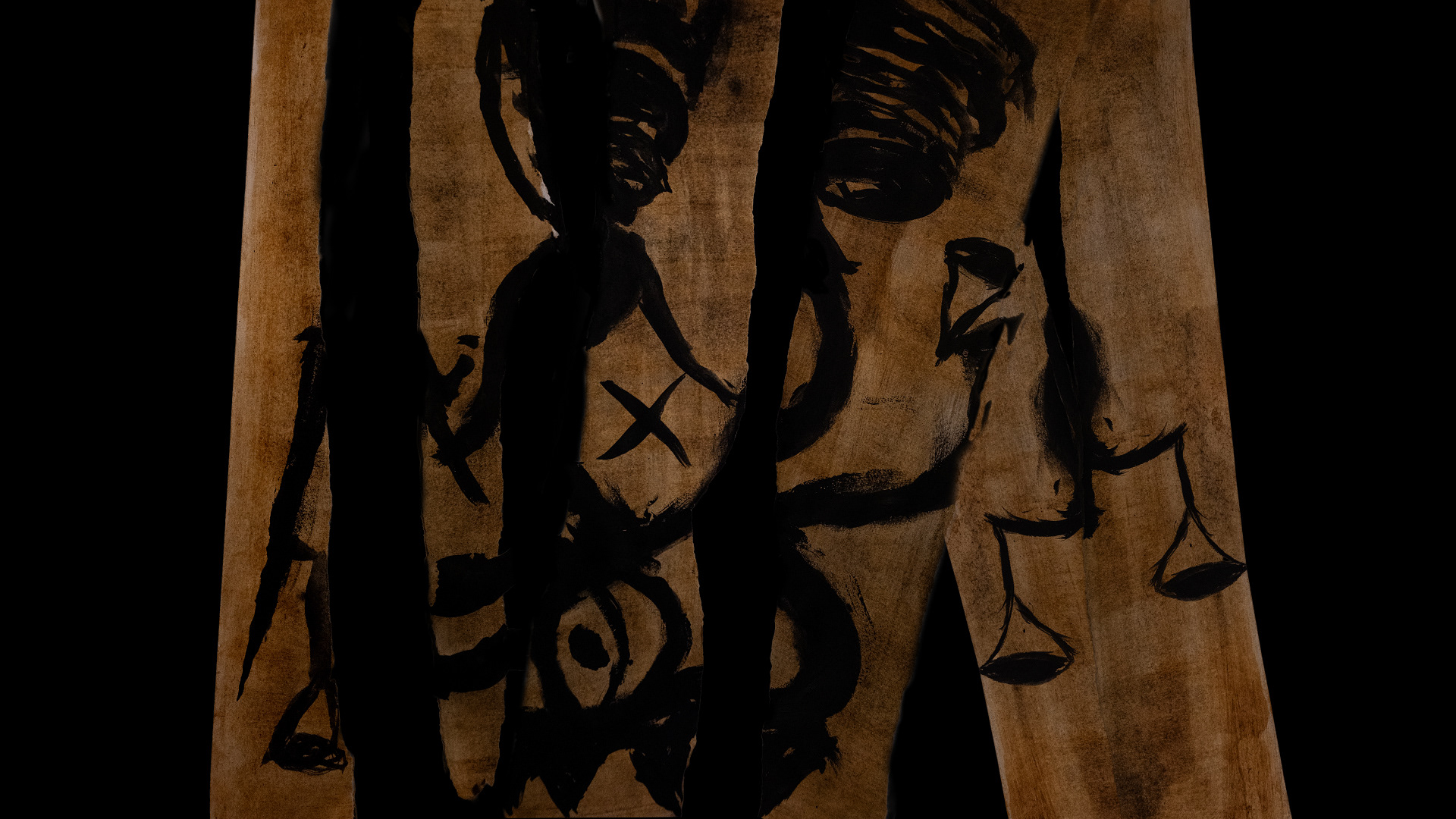
Final stage: Migration of physical matter into virtualized computer data
Artist Biography
Can Yazıcıoğlu (b. 2001, Istanbul) Istanbul-based visual artist. Currently pursuing my undergraduate studies in the Department of Photography at Marmara University Faculty of Fine Arts, I previously studied biological sciences before redirecting my focus to the arts—an experience that left an enduring analytical curiosity toward organic forms, natural systems, and human perception.
My artistic practice spans fine art photography, experimental lens-based techniques, video, and mixed-media interventions. My work critically explores themes of psychological alienation, the shifts in contemporary visual culture, and the growing friction between physical materiality and digital mediation. Engaging with both historical photographic methodologies and contemporary media, I investigate how images construct memory and mediate subjective reality.